CERV-2023-CITIZENS-CIV „Citizens, Equality, Rights, and Values Programme” – NOT SKIP (lider projektu Fattoria Pugliese Diffusa APS, Włochy).
Jak skutecznie promować udział obywateli w procesach decyzyjnych na poziomie UE, aby przyczynić się do budowania przyszłości UE?
NOT SKIP to sieć organizacji społeczeństwa obywatelskiego, władz lokalnych i LGD, zrodzona z przekonania, że konieczne jest podejmowanie działań w celu zwiększenia umiejętności, wiedzy i kompetencji obywateli na wszystkich szczeblach (oddolnych, profesjonalistów/ekspertów i decydentów), aby procesy partycypacyjne mogły być promowane i aktywowane w sposób wspólny i świadomy, zapewniając w ten sposób znaczny wpływ. Zaangażowanie obywateli we wszystkich fazach NOT SKIP zapewni trwałość inicjatywy, począwszy od fazy badawczej dotyczącej ocen po wyborach do PE, przeprowadzanych lokalnie w 6 krajach partnerskich, a skończywszy na lokalnych kampaniach podnoszenia świadomości (LARC) angażujących obywateli w zakresie sposobów przyczyniania się do przyszłości UE. Począwszy od organizacji konferencji dotyczących przyszłości UE, każda partner wybierze temat najbliższy swojej społeczności (zmiany klimatu, rynek pracy, zaangażowanie obywateli, wykluczenie cyfrowe itp.) i przedyskutuje jego treść, opracowując własne zalecenia, którymi później podzieli się z posłami do PE, nagrywając podcasty. Zastosowane metodologie będą zatem różnorodne i inkluzywne.
———————————————————————
„Network of Organizations and Towns for Promoting Skills for Participation” is a Network of CSOs, a LA, and a LAG, born from the belief that it is necessary to intervene in the enhancement of skills, knowledge, and competencies of the citizens at all levels (grassroots, professionals/ experts and decision-makers) so that participatory processes can be promoted and activated in a shared and conscious way, thus providing a considerable impact. The involvement of citizens in all phases of NOT SKIP will ensure the sustainability of the initiative, starting from the research phase on post-EP elections evaluations, conducted locally on 6 partner countries, and continuing with the Local Awareness Raising Campaigns (LARC) involving the various stakeholders on how to contribute to the Future of EU. Starting from the recommendations resulting from the Conference on the Future of EU in 2021, each partner will choose the topic closest to its community (climate changes, job market, citizens’ engagement, digital divide, etc.) and will debate its contents, developing its own recommendations, to be later shared with the MEPs, by recording podcasts. The methodologies used will therefore be diverse and inclusive: desk research, street debates, round tables, focus groups, and podcasts, and their implementation will be entrusted to 4 facilitators per partner, specifically trained during the EU meetings.
Overall, there will be 4 in-situ events, 1 online, and a LARC in each partner country. Around 1,000 direct and 30,000 indirect participants will be involved over the 2 years. The „NOT SKIP Recommendations”, the 6 podcasts, and the Skills for Democracy- Training Curriculum will represent the main outputs that will be shared and promoted on EPALE, OER, media pages, and 6 national dissemination events.
NOT SKIP: KICK OFF MEETING
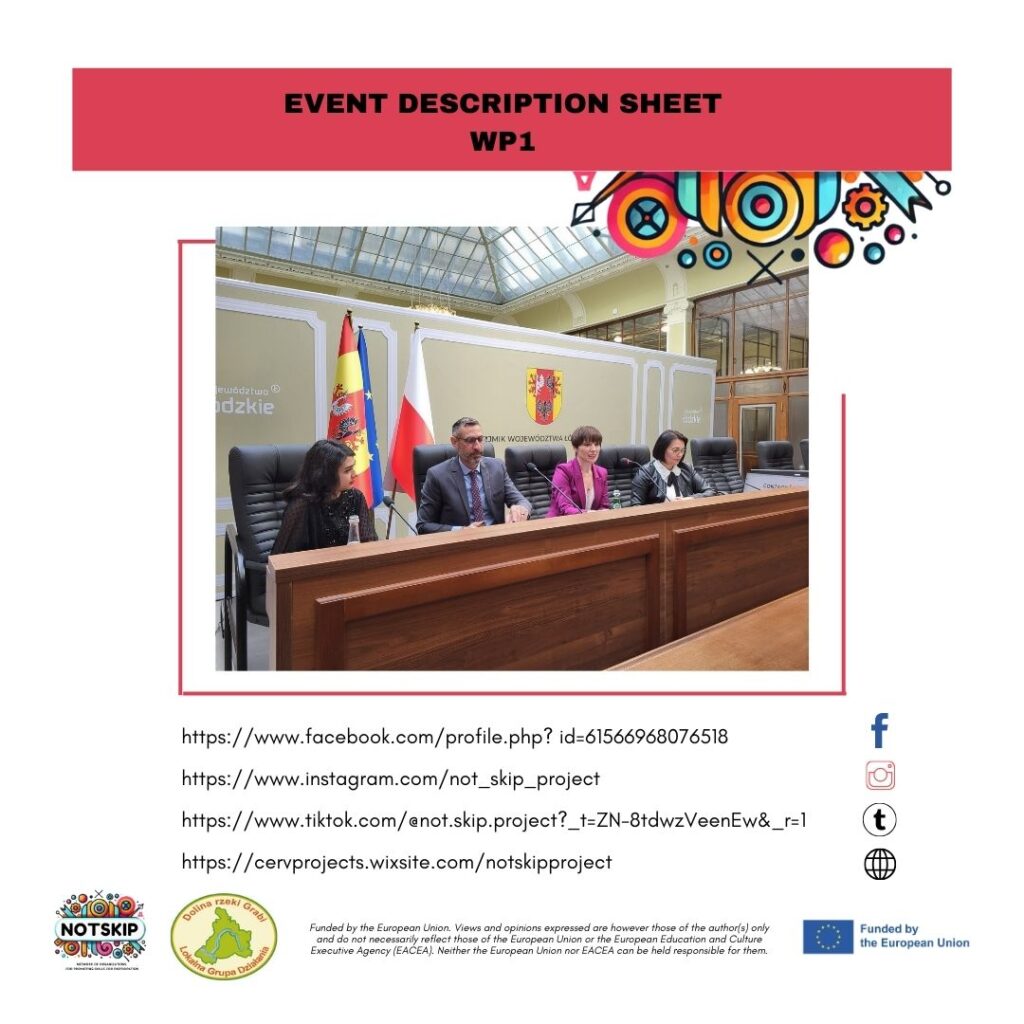
The 6 NOT SKIP partners have met from the 14th to the 17th of October 2024, in Lodz (Poland), being hosted by LGD. at the first in-situ international event.
The meeting focused on project coordination and management, ensuring that the whole project activities will follow the same structure. The first day addressed the topics of NOT SKIP partnership and task and reole(partners’ presentation, experience, activities) and the national and international role of citizens in the democratic life (national speakers). The second day focused on the general project management, communication, dissemination plan, financial info.
You are invited to read the report of the 1st Work Package.
Sześciu partnerów NOT SKIP spotkało się w dniach 14-17 października 2024 r. w Łodzi (Polska), gdzie LGD było gospodarzem pierwszego międzynarodowego wydarzenia in-situ.
Spotkanie koncentrowało się na koordynacji i zarządzaniu projektem, zapewniając, że wszystkie działania projektowe będą miały tę samą strukturę. Pierwszy dzień poświęcony był tematom partnerstwa i zadań NOT SKIP (prezentacja partnerów, doświadczenia, działania) oraz krajowej i międzynarodowej roli obywateli w życiu demokratycznym (prelegenci krajowi). Drugi dzień skupił się na ogólnym zarządzaniu projektem, komunikacji, planie rozpowszechniania, informacjach finansowych.
Zapraszamy do zapoznania się z raportem.
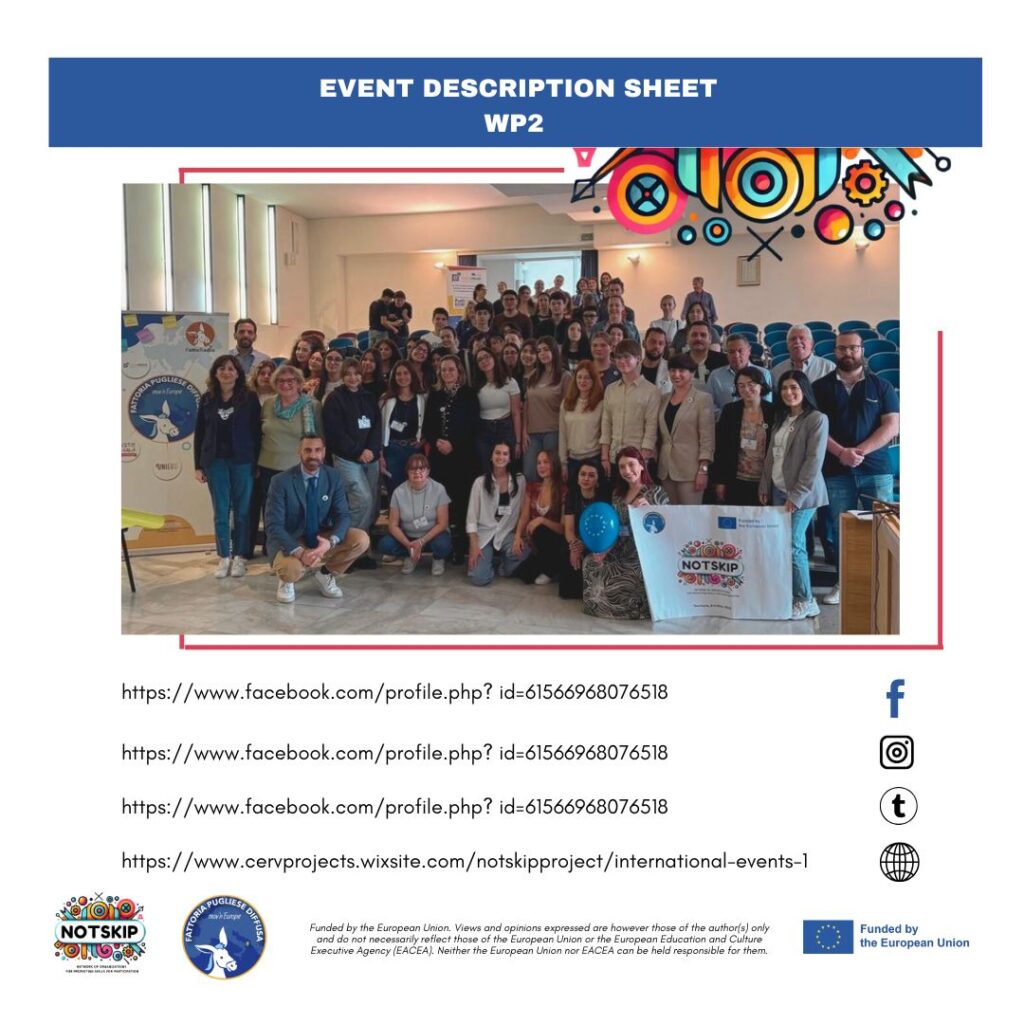
From May 7–10, 2025, Fattoria Pugliese Diffusa APS (IT) hosted in Gallipoli and Taurisano, the second European Meeting of the NOTSKIP Project, titled „Training Skills for Democracy”.
The event gathered 25 international participants from six countries and 83 local attendees for four days of training, cultural exchange, and civic engagement. Highlights included a European Parliament simulation, a training in the Street Debate methodology, and a vibrant Europe Day celebration with local officials, students, and European Solidarity Corps volunteers.
The project will now move forward with 24 trained facilitators leading local awareness campaigns across Europe to promote participatory democracy—especially in rural and underrepresented communities.
You are invited to read the report of the 2nd Work Package down below:
W dniach 7-10 maja 2025 r. Fattoria Pugliese Diffusa APS (IT) gościła w Gallipoli i Taurisano drugie europejskie spotkanie projektu NOTSKIP zatytułowane „Szkolenie umiejętności na rzecz demokracji”.
Wydarzenie zgromadziło 25 międzynarodowych uczestników z sześciu krajów i 83 lokalnych uczestników na cztery dni szkoleń, wymiany kulturalnej i zaangażowania obywatelskiego. Najważniejsze wydarzenia obejmowały symulację obrad Parlamentu Europejskiego, szkolenie z metodologii debat ulicznych oraz tętniące życiem obchody Dnia Europy z udziałem lokalnych urzędników, studentów i wolontariuszy Europejskiego Korpusu Solidarności.
Projekt będzie teraz kontynuowany przez 24 przeszkolonych moderatorów prowadzących lokalne kampanie uświadamiające w całej Europie w celu promowania demokracji uczestniczącej – zwłaszcza w społecznościach wiejskich i niedostatecznie reprezentowanych.
Zachęcamy do zapoznania się z raportem.
Wydarzenie online rozpoczęło się wspólną sesją wprowadzającą, w której wzięli udział wszyscy zaproszeni eksperci, partnerzy projektu i uczestnicy. Koordynatorzy (pan Evangelista i pani Iulia) poprowadzili otwarcie, witając uczestników i przedstawiając ogólne cele projektu NOTSKIP. Podczas tej sesji wyjaśniono tło projektu, ze szczególnym uwzględnieniem jego głównych celów, najlepszych praktyk zebranych w trakcie projektu oraz przedstawiono program szkoleniowy opracowany w celu wspierania uczestnictwa demokratycznego, włączenia społecznego i aktywnego obywatelstwa. To wprowadzenie ustanowiło wspólne ramy i zapewniło, że wszyscy uczestnicy dobrze zrozumieli zakres i metodologię projektu.
Po wstępie, przedstawiciele gospodarzy, Živilė J. Turkmen i Décio Santos, oficjalnie powitali uczestników. W przemówieniu otwierającym podkreślili wagę współpracy międzynarodowej, dialogu międzykulturowego oraz rolę społeczności lokalnych we wzmacnianiu wartości demokratycznych. Podkreślili również znaczenie wydarzenia jako przestrzeni wymiany doświadczeń między praktykami, ekspertami i przedstawicielami społeczności z różnych krajów.
Jedna z głównych sesji tematycznych koncentrowała się na temacie „Lokalne tradycje i demokracja”. Hélio Ávila przedstawił przykład karnawału jako lokalnej tradycji, wyjaśniając, jak uroczystości kulturalne zakorzenione w uczestnictwie społeczności mogą służyć jako nieformalne przestrzenie demokratycznej ekspresji, inkluzji i kolektywnego podejmowania decyzji. Rita Santos uzupełniła tę perspektywę, prezentując międzynarodowe wydarzenie „Folk Azores”, ilustrując, jak zakrojone na szeroką skalę inicjatywy kulturalne mogą łączyć lokalne tradycje z globalną publicznością, jednocześnie promując dialog międzykulturowy, zaangażowanie obywatelskie i wartości demokratyczne poza granicami państw.
olejna kluczowa sesja dotyczyła wolontariatu jako narzędzia aktywnego obywatelstwa, w oparciu o doświadczenia Centrum Młodzieży w Sirvintos. Pracownik młodzieżowy Jelena Masiukė przedstawiła kontekst lokalny i wyjaśniła, jak zorganizowane działania wolontariackie wzmacniają młodych ludzi, rozwijają ich kompetencje obywatelskie i zachęcają do długotrwałego zaangażowania w życie społeczności. Prezentacja została wzbogacona o świadectwa trojga wolontariuszy z zagranicy – Akina, Giorgii i Huseyina – którzy podzielili się swoimi osobistymi doświadczeniami, motywacjami i efektami uczenia się. Zastanawiali się, jak wolontariat wspiera ich rozumienie demokracji, solidarności i partycypacji na poziomie lokalnym.
Zachęcamy do zapoznania się z raportem.
Dates of the meeting: 22 October 2025
Where was held: Online
Host organization: AJITER (Portugal) and Musninaki Rural Community (Lithuania)
Whom attended: All the 6 partner countries, gathering in total 127 attendees
Aim of the meeting: To engage experts in a structured exchange of best practices on cultural activities as a means to strengthen citizens’ participation and enhance the educational process of civic action.
The agenda (short description) and the speakers/facilitators of the meeting
The online event opened with a joint introductory session bringing together all invited experts, project partners, and participants. The hosting coordinators (Mr. Evangelista and Ms. Iulia) guided the opening by welcoming participants and presenting the overall objectives of the NOTSKIP project. During this session, the project background was explained, with a focus on the main goals of NOTSKIP, the best practices collected throughout the project, and an overview of the training curriculum developed to support democratic participation, social inclusion, and active citizenship. This introduction set a common framework and ensured that all participants shared a clear understanding of the project’s scope and methodology.
Following the introduction, the host representatives, Živilė J. Turkmen and Décio Santos, formally welcomed the participants. In their opening remarks, they highlighted the importance of international cooperation, intercultural dialogue, and the role of local communities in strengthening democratic values. They also emphasized the significance of the event as a space for exchange between practitioners, experts, and community representatives from different countries.
One of the central thematic sessions focused on “Local Traditions and Democracy.” Hélio Ávila presented the case of Carnaval as a local tradition, explaining how cultural festivities rooted in community participation can serve as informal spaces for democratic expression, inclusion, and collective decision-making. Rita Santos complemented this perspective by presenting the international event Folk Azores, illustrating how large-scale cultural initiatives can connect local traditions with global audiences while promoting intercultural dialogue, civic engagement, and democratic values beyond national borders.
Another key session addressed volunteering as a tool for active citizenship, based on the experience of the Sirvintos Youth Center. Youth worker Jelena Masiukė introduced the local context and explained how structured volunteering activities empower young people, develop their civic competences, and encourage long-term engagement in community life. This presentation was enriched by the testimonies of three international volunteers—Akin, Giorgia, and Huseyin—who shared their personal experiences, motivations, and learning outcomes. They reflected on how volunteering supported their understanding of democracy, solidarity, and participation at the local level.
You are invited to read the report of the 3rd Work Package down below:

The “Speak-UP! – Co-designing the Final Recommendations” event brought together representatives of all six NOTSKIP EU partners, alongside educators, civil society actors, and civic engagement experts, for a day of collaboration on democracy, youth empowerment, and civic participation. Participants discussed project progress, European frameworks for civic engagement, and the role of education in democratic inclusion. The programme also included exchanges of good practices, digital communication training, and a collaborative workshop to co-create the final NOTSKIP Recommendations. The event strengthened transnational cooperation and marked an important milestone in advancing democratic participation across Europe.
You are invited to read the report of the 4th Work Package down below:
Wydarzenie zgromadziło przedstawicieli sześciu partnerów projektu NOTSKIP, a także edukatorów, organizacje społeczeństwa obywatelskiego i ekspertów ds. zaangażowania obywatelskiego, aby wspólnie pracować nad tematami demokracji, partycypacji obywatelskiej i wzmocnienia roli młodzieży. Uczestnicy omówili postępy projektu, europejskie ramy wspierania aktywności obywatelskiej oraz znaczenie edukacji w procesie włączania demokratycznego. Program obejmował również wymianę dobrych praktyk, szkolenie z komunikacji cyfrowej oraz warsztaty współtworzenia końcowych rekomendacji NOTSKIP. Spotkanie wzmocniło współpracę międzynarodową i stanowiło ważny krok w kierunku zwiększania uczestnictwa demokratycznego w Europie.
Zachęcamy do zapoznania się z raportem:
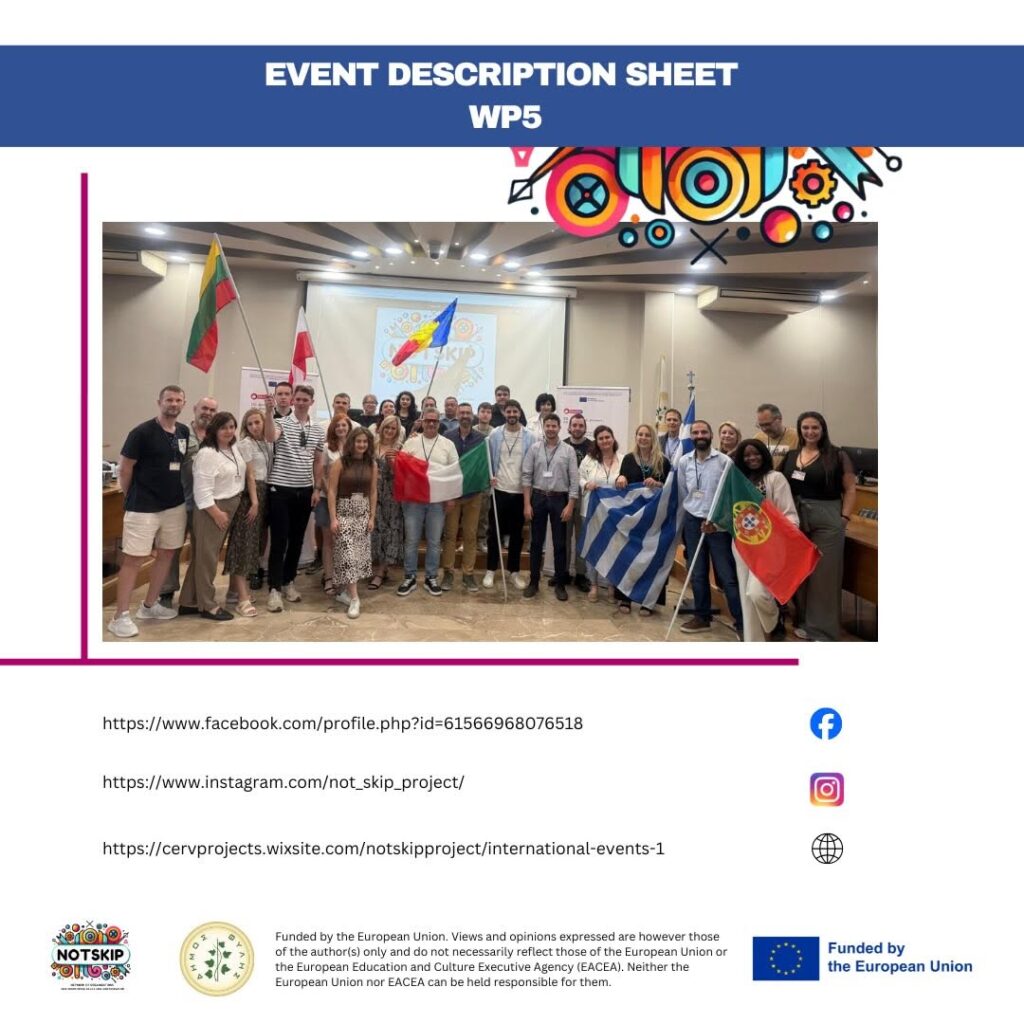
Final Conference in Fyli
A full day large scale event, where the project outputs had been presented and the media outlets (journalists, bloggers, influencers) had been invited to disseminate them. The partners, after completing the final evaluation, had also set-up the follow-up activities and schedule the actions to be carried out to ensure sustainability to this initiative.
You are invited to read the report of the 5th Work Package down below:
Konferencja Finałowa w Fyli
Całodniowe wydarzenie na dużą skalę, podczas którego zaprezentowano rezultaty projektu, a media (dziennikarze, blogerzy, influencerzy) zostały zaproszone do ich upowszechnienia. Po zakończeniu ewaluacji końcowej partnerzy ustalili również działania następcze i zaplanowali działania, które mają zapewnić trwałość tej inicjatywy.
Zapraszamy do zapoznania się z raportem:
As one of six partners in the project, whose activities were planned for 24 months, we implemented Local Awareness Raising Campaigns in Poland aimed at increasing civic awareness and encouraging residents to actively participate in decision-making processes at the European level. Through various initiatives aimed at residents, young people, educators, and representatives of public institutions, we created a space for dialogue, exchange of experiences, and joint development of ideas that strengthen citizen participation in social life.
Desk research
The desk research activity involved the identification and analysis of two good practices illustrating how cultural and educational initiatives can strengthen democracy, civic engagement, and active citizenship in Poland.
The first practice was the Association “Aktywne Kobiety” (Active Women) based in Sosnowiec. The organisation implements a wide range of long-term activities focused on equal opportunities, social inclusion, and civic participation. Its work includes leadership and empowerment programmes for women, civic education activities for different age groups, cultural and media initiatives such as film discussions and documentaries, as well as international cooperation projects. The practice demonstrates how community-based education and empowerment can increase civic participation, strengthen local leadership, and promote democratic values at grassroots level.
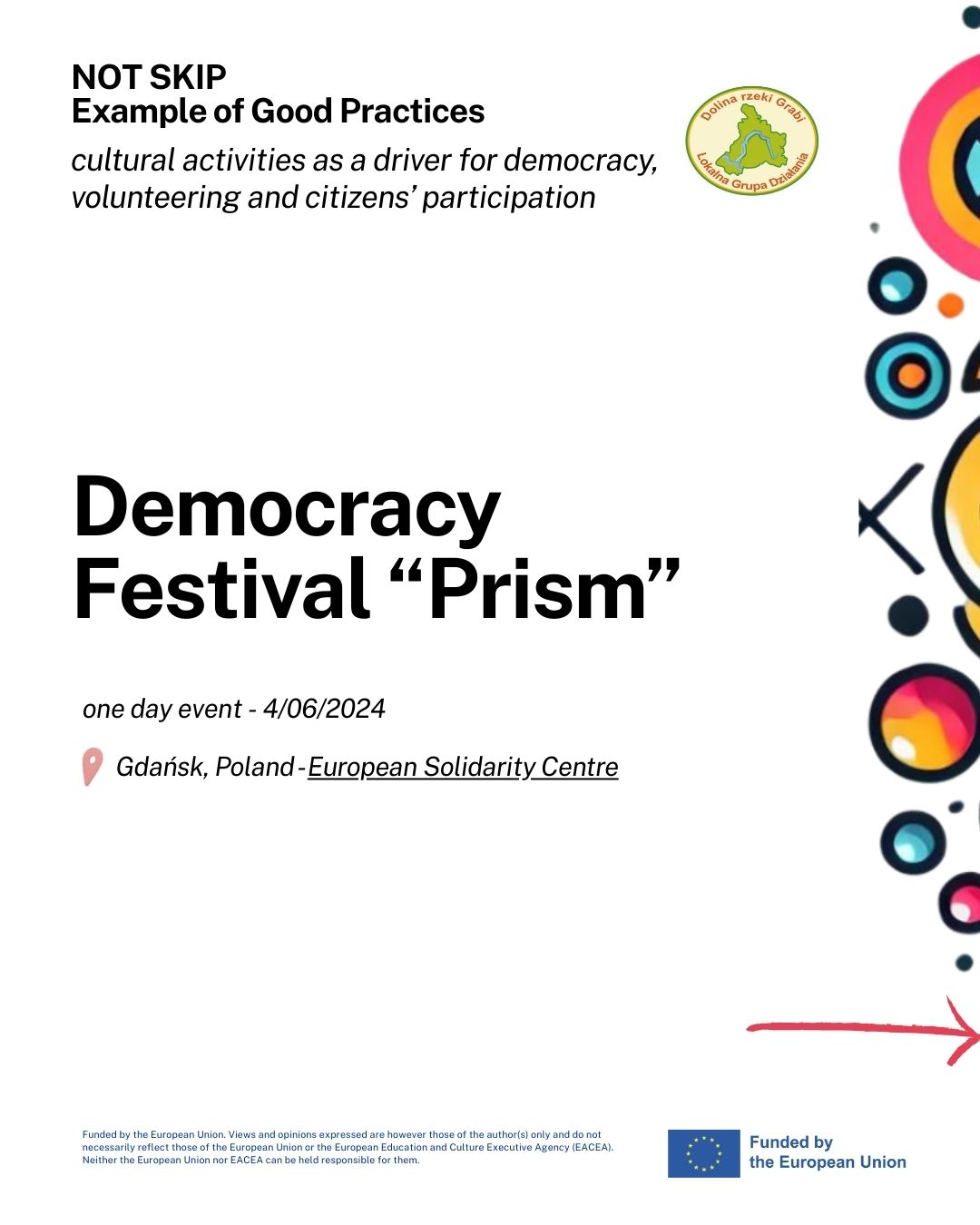
The second practice was the Democracy Festival “Prism” held in Gdańsk at the European Solidarity Centre. This one-day event combines civic education with cultural and artistic activities, including film screenings, workshops, debates, and discussions with experts, policymakers, activists, and young people. The festival promotes active citizenship by creating an open space for dialogue on democracy, human rights, and contemporary social challenges, particularly targeting youth engagement.
Both practices show how combining education, culture, and participatory methods can effectively support civic awareness, democratic engagement, and social inclusion. They also provided valuable input for developing further project activities based on bottom-up approaches and active participation of citizens at local and European level.
Street debate
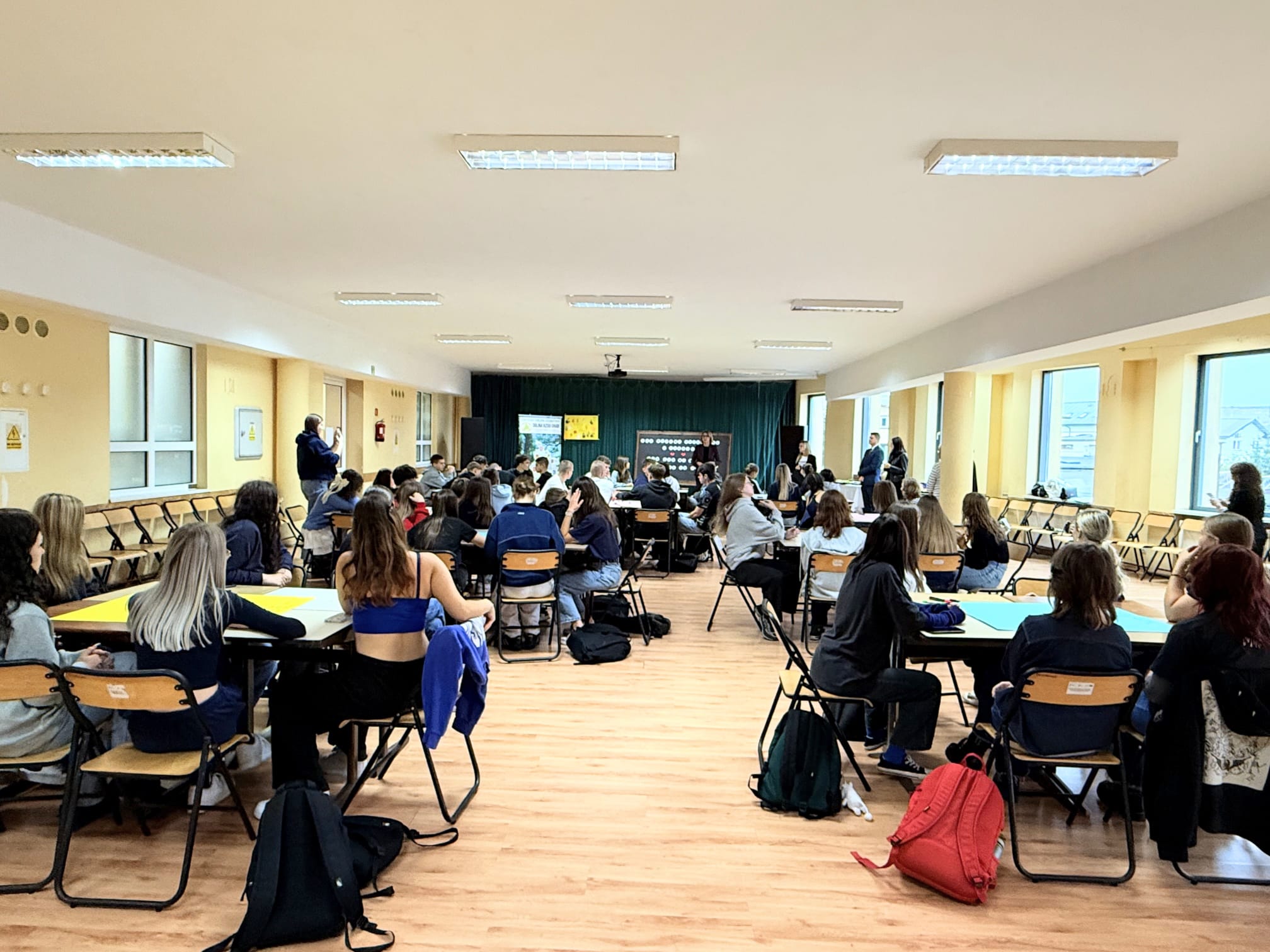
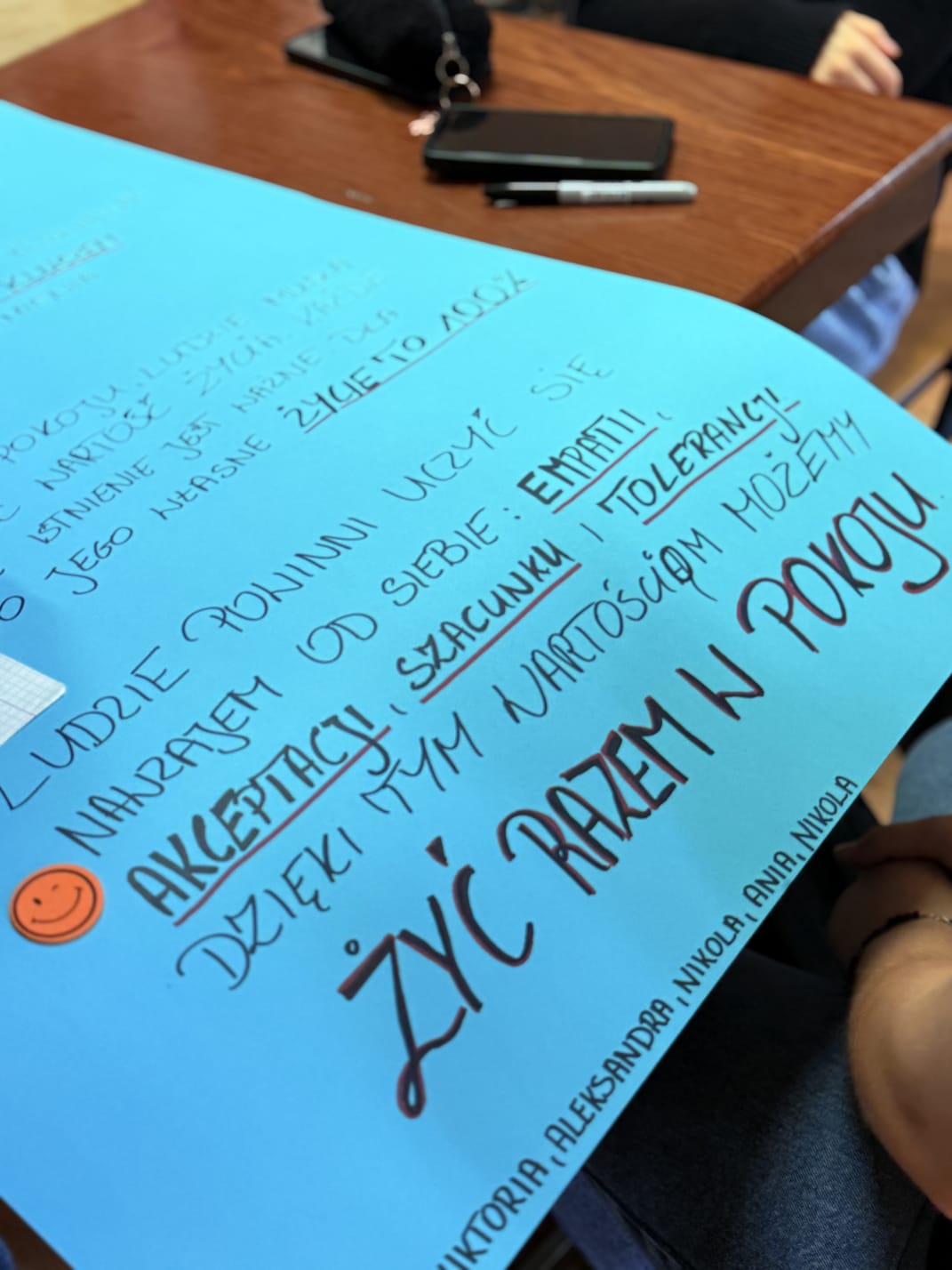
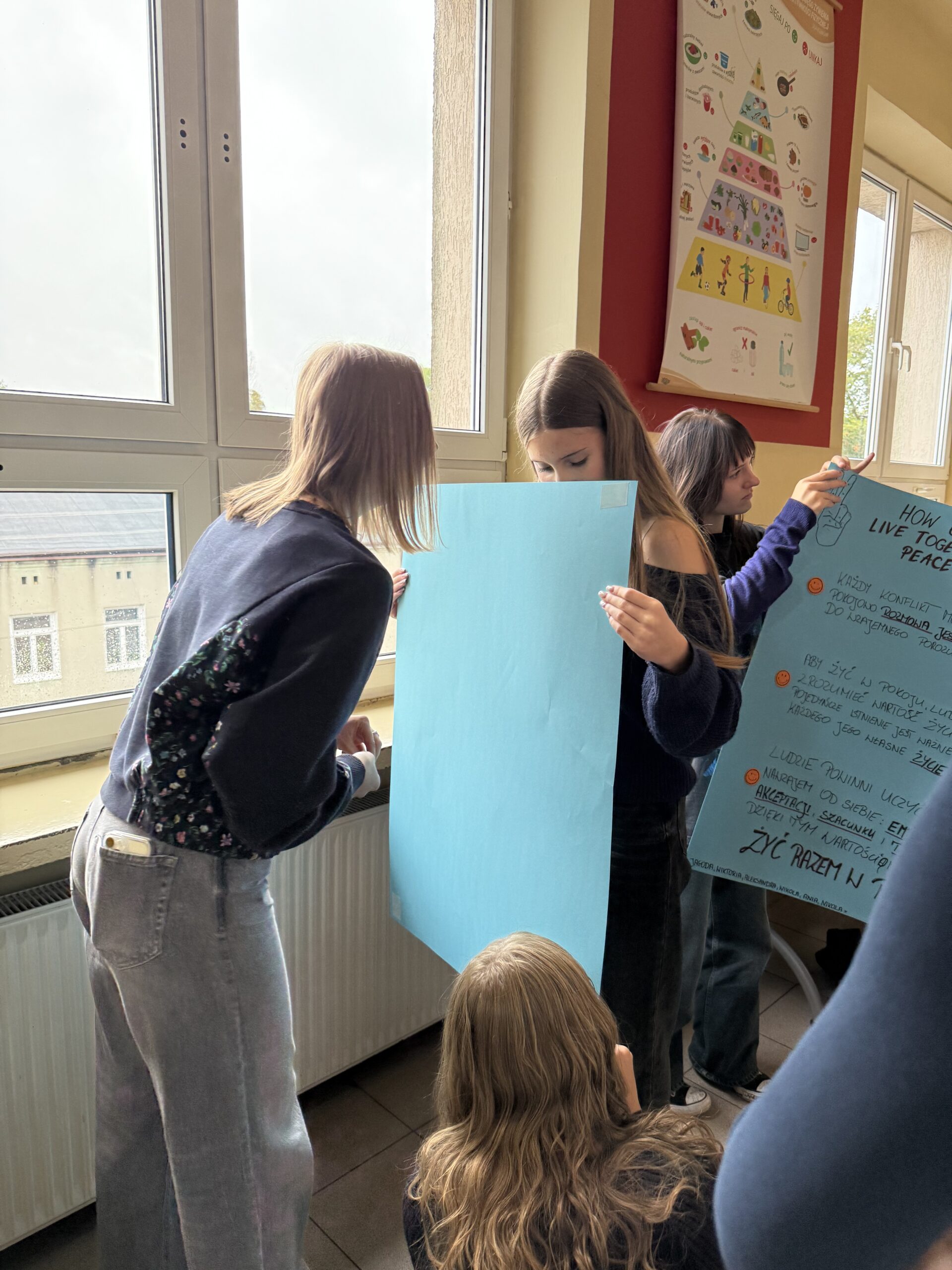
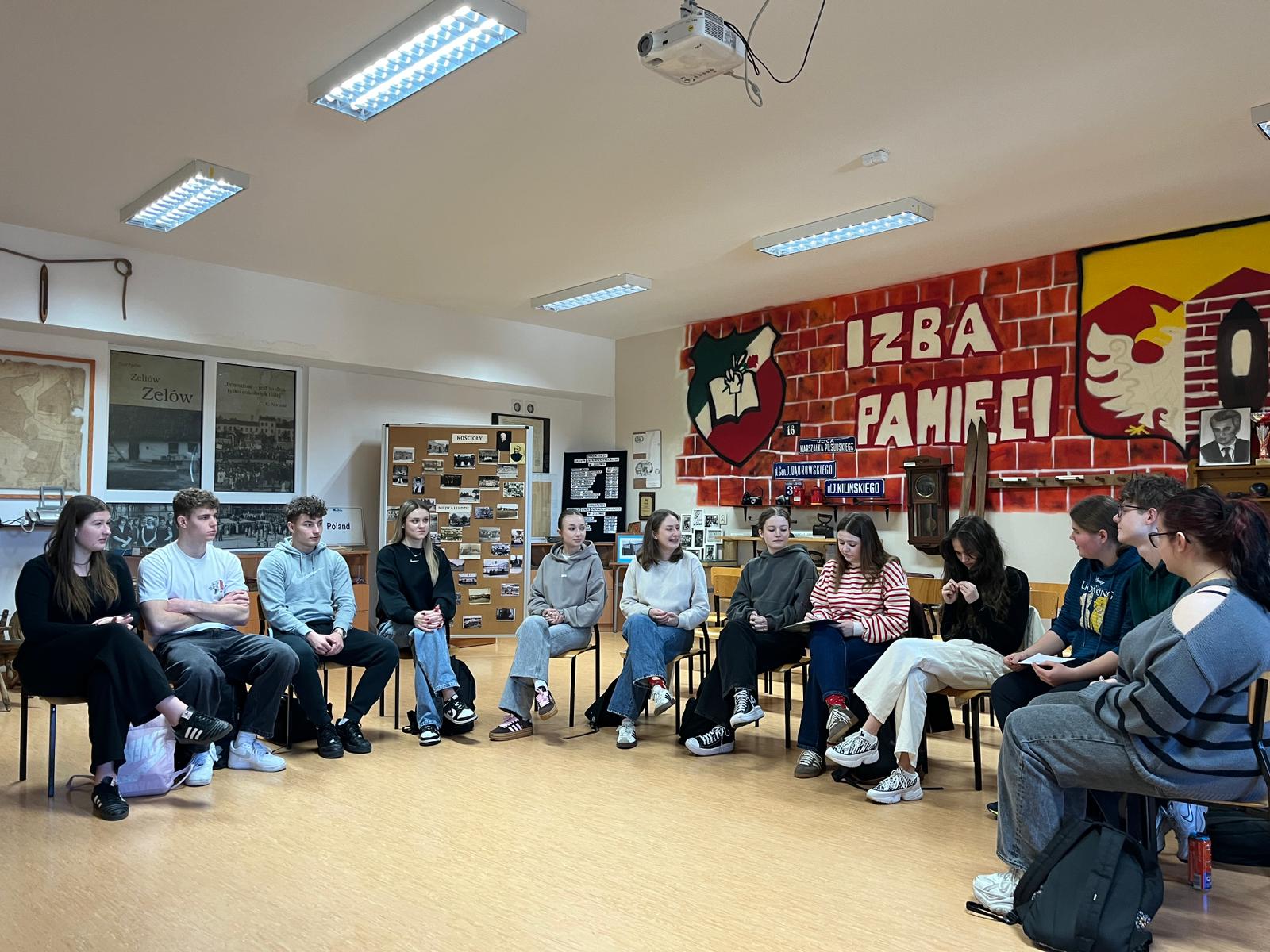
The Street Debate “How can we live together in peace” was organised on 30/09/2025 in Zelów, Poland by LAG “Dolina Rzeki Grabi” at the Comprehensive School Complex in Zelów and involved 60 participants.
Originally planned as an outdoor activity, the event was moved indoors due to heavy rainfall, with students’ thematic posters displayed in school corridors, creating a space for reflection and discussion.The debate brought together students, younger pupils, teachers and parents, enabling an intergenerational exchange on peaceful coexistence, mutual respect and the importance of dialogue in everyday life. Participants discussed key values such as respect, empathy, communication, tolerance and openness, emphasising the role of active listening, rejection of hate speech and the idea that peace starts with individual attitudes and responsibility.
Despite the change of format, the activity was successfully implemented and strengthened community engagement and dialogue across different age groups.
Round table
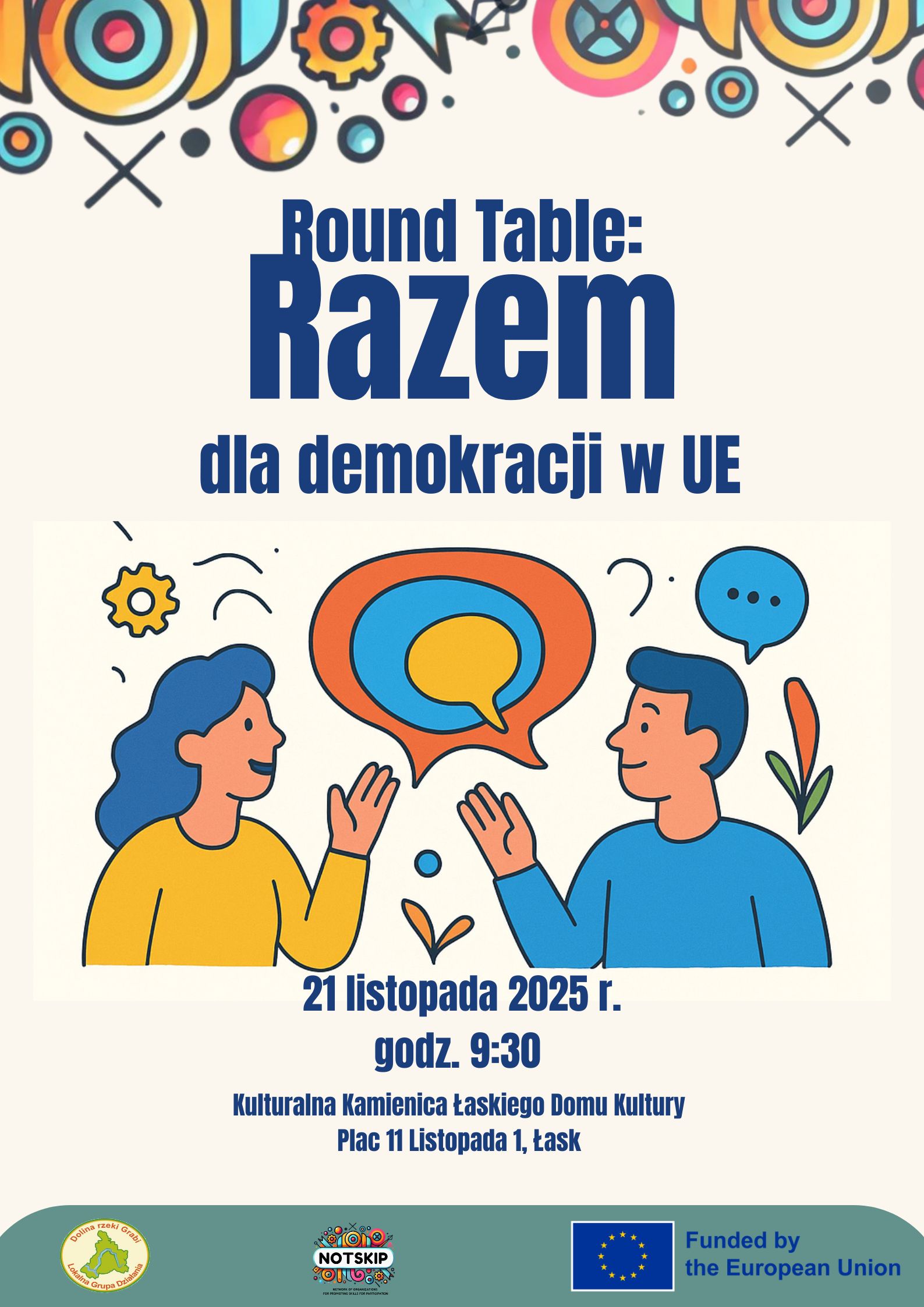
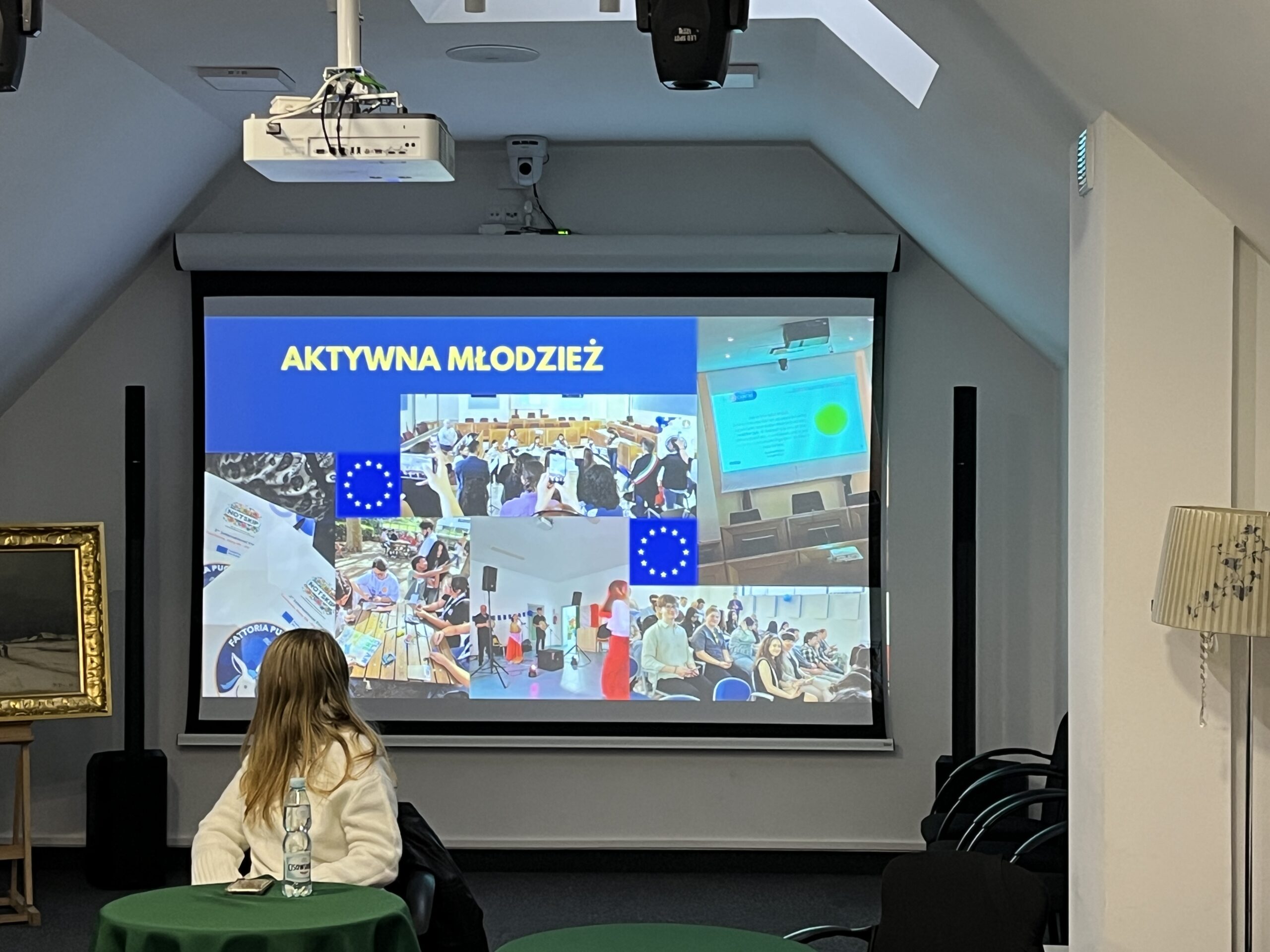
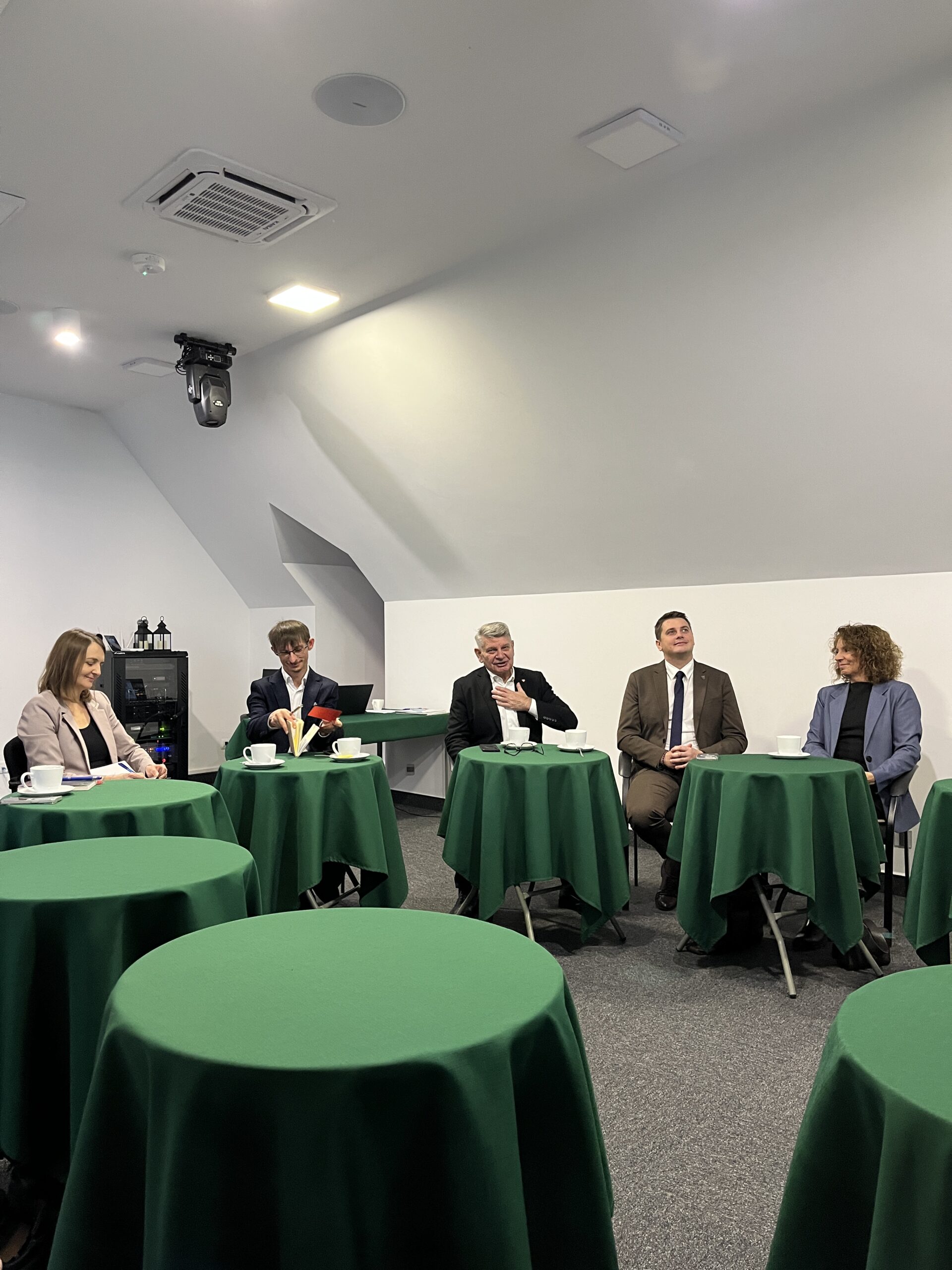
On 21 November 2025 in Łask, Poland, a Round Table discussion was organised bringing together local stakeholders, representatives of local authorities, youth representatives, and active citizens to discuss ways of strengthening democratic participation and civic engagement at the local and European levels. Following an introduction to the project and the presentation of activities carried out by the Youth City Council, participants engaged in a structured dialogue facilitated by project-trained moderators.
The discussion focused on citizens’ contribution to the Future of Europe, effective tools and methods for civic participation, the role of local decision-makers in fostering engagement, and key barriers to participation such as disinformation, limited civic education, digital exclusion, and low trust in institutions. Participants exchanged experiences, shared successful local practices, and reflected on challenges affecting citizen involvement in decision-making processes.
The activity concluded with collaborative work on recommendations aimed at strengthening youth participation, improving communication between institutions and residents, and promoting inclusive participation mechanisms. The Round Table provided a valuable space for dialogue, mutual learning, and the development of practical ideas to enhance democratic engagement within the local community.
Focus groups
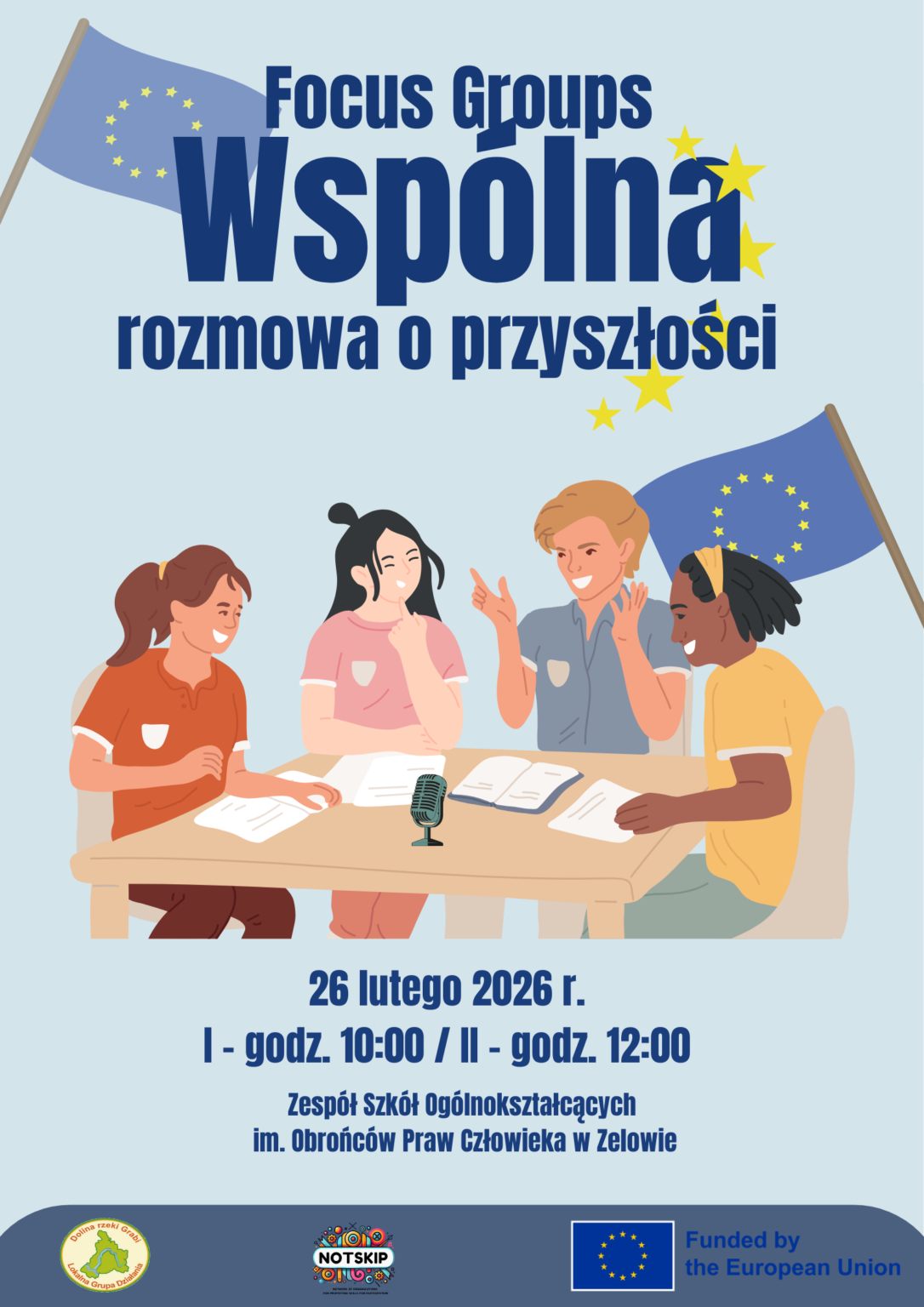
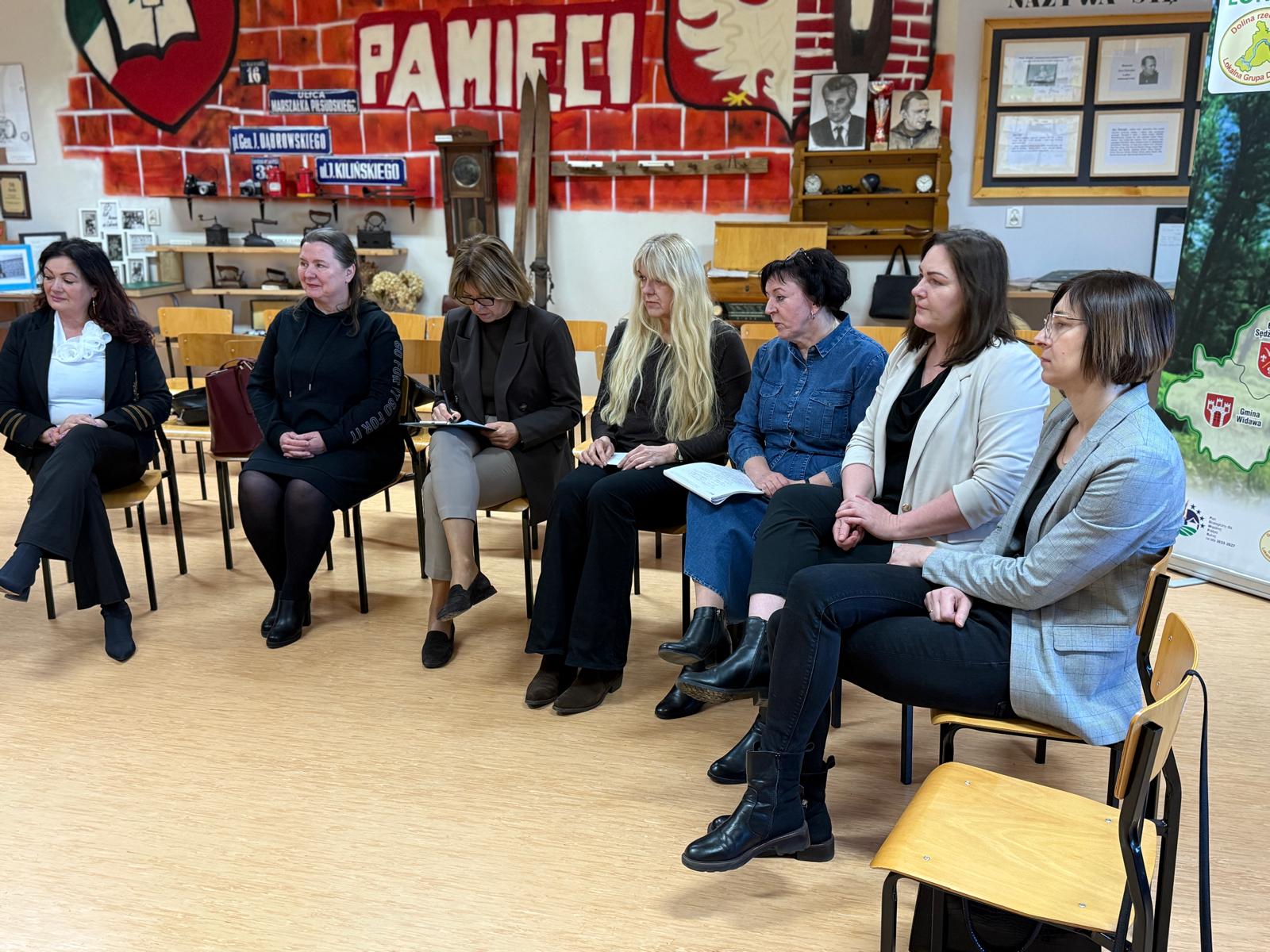
On 26 February 2026, two Focus Group sessions were organised at the Comprehensive School Complex in Zelów, Poland, bringing together 24 participants, including youth workers, educators, trainers, teachers, and young people aged 18–30. The activity aimed to explore how citizens engage in social and political life and how young people can contribute to shaping the Future of Europe in line with the objectives of the NOTSKIP project. The sessions also sought to deepen participants’ understanding of EU participatory tools, identify grassroots initiatives that can strengthen civic engagement at the local level, and collect input for the project’s final recommendations, local campaigns, and podcast content.
The first focus group gathered youth workers, educators, and teachers who shared experiences from their professional practice and discussed successful approaches to fostering youth participation. The discussion highlighted the importance of long-term cooperation between schools, NGOs, and public institutions, while also identifying challenges such as limited resources, low motivation among young people, and insufficient awareness of European participatory mechanisms.
The second focus group involved young people aged 18–30, who reflected on their experiences, motivations, and expectations regarding civic engagement. Participants discussed opportunities offered by local and European initiatives, barriers such as lack of information, limited influence on decision-making, and low trust in institutions, as well as the importance of accessible and youth-friendly participation formats.
The focus groups resulted in a set of recommendations aimed at strengthening youth participation, improving communication about civic opportunities, supporting local partnerships, and creating more effective mechanisms for involving citizens in decision-making processes at both local and European levels.
Podcast
On 4 May 2026, a podcast interview was conducted in Łódź, Poland, at the constituency office of Member of the European Parliament Dariusz Joński. The discussion was facilitated by Julita Niemiec and focused on the final NOTSKIP Recommendations, which had been previously shared with the MEP.
The conversation examined the relevance of the recommendations in the Polish context and their alignment with citizens’ real experiences. It addressed key issues such as trust in institutions, the effectiveness of public consultations, and the level of awareness of EU participatory tools. The discussion also explored opportunities and barriers for civic engagement in Poland, including the need to move from one-off consultations towards more permanent participation mechanisms involving citizens in decision-making processes.
Particular attention was given to digital exclusion and the importance of ensuring accessible participation opportunities for all groups, as well as the potential of hybrid models combining online and face-to-face engagement. The role of local authorities, schools, and civil society organisations in supporting civic awareness and participation was also highlighted.
The podcast contributed to the NOTSKIP project objective of strengthening the link between citizens’ perspectives and European-level decision-making, and of promoting more inclusive and effective participatory tools for engaging citizens in shaping the Future of Europe.
Local Dissemination
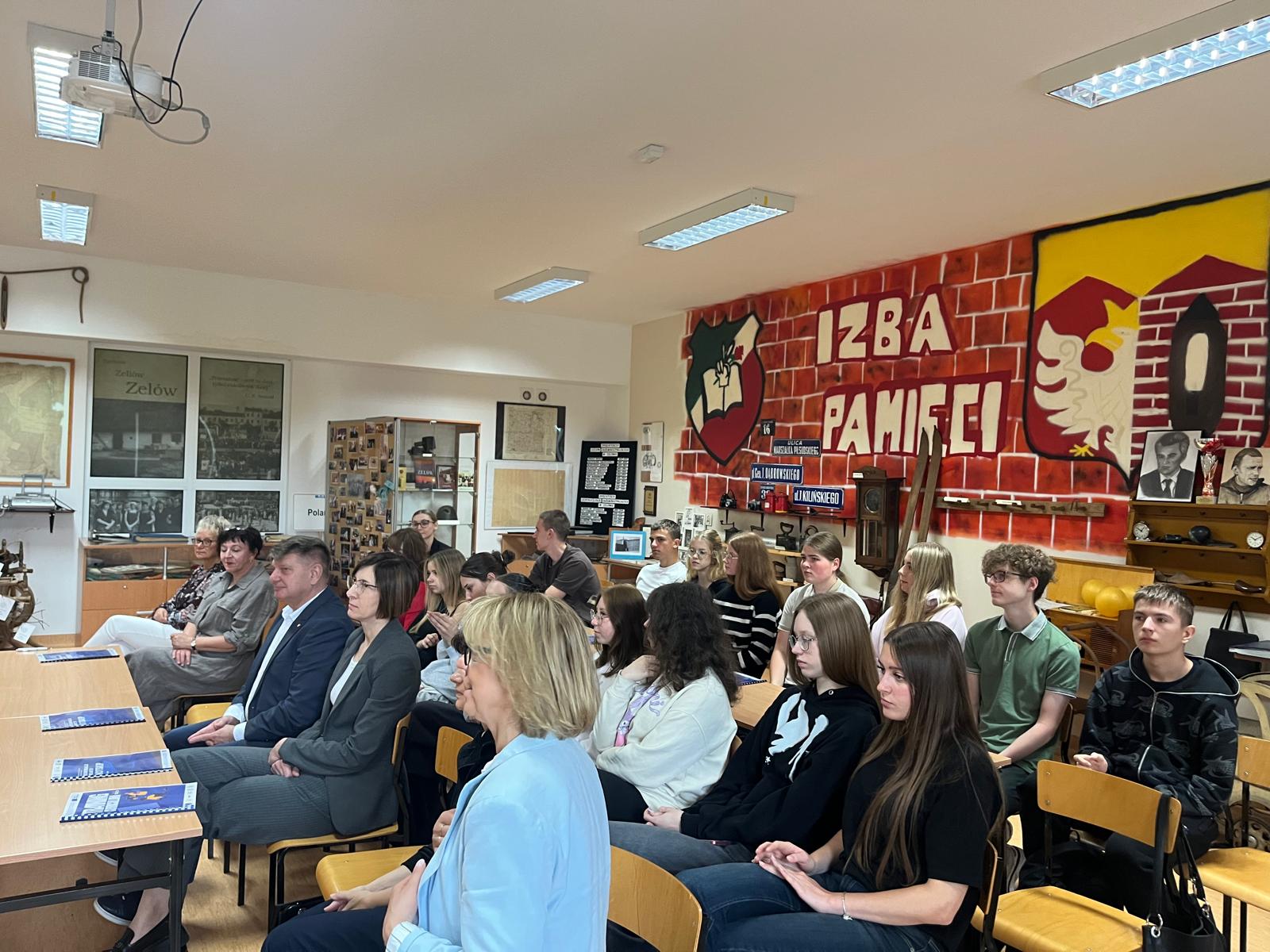
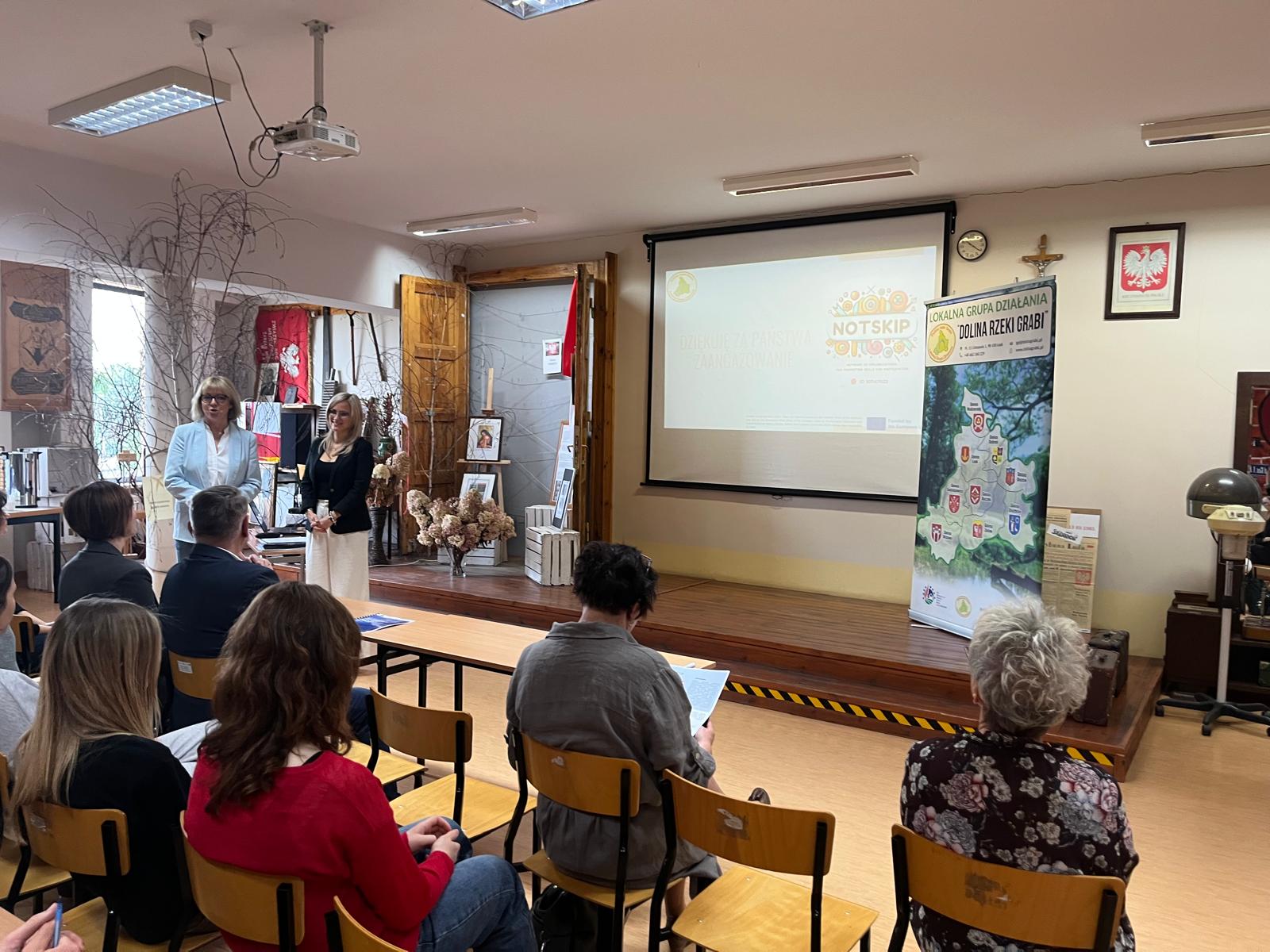
On 15 June 2026, a local dissemination event was organised in Zelów, Poland, at the Complex of General Secondary Schools named after human rights defenders. The activity gathered 25 participants, including students, school management, teachers, project facilitators, representatives of the Municipal Department of Education, the Chairperson of the City Council, and members of the local community, ensuring an intergenerational exchange of perspectives on civic engagement and democratic participation.
The event aimed to present the results of the NOTSKIP project and discuss their potential application in educational and local community settings. Following the introduction of the project and its international partnership, participants were presented with the main outcomes, including the competences developed by facilitators and the methods used to foster civic participation.
A dedicated discussion focused on the transferability of project results and their relevance for strengthening civic education, youth engagement, and cooperation between schools and local authorities. Participants exchanged views on how the project’s approaches could support more active participation of young people in local decision-making processes.
The meeting concluded with a question-and-answer session and a discussion on future initiatives promoting democratic participation. Evaluation feedback collected at the end of the event indicated a very positive assessment of the activity, particularly in terms of content clarity, organisation, and its contribution to participants’ understanding of the project outcomes.
You are invited to read the report of Local Awareness Raising Campaigns in Poland
We invite you to read the Event Description Sheets of the NOT SKIP project Partners.
